
How to Find a Business Angel in Poland: Where to Look and First Steps
How to find a business angel in Poland: angel clubs, events and platforms, active investors, and how to prepare your pitch and first meetings.
Contents
How do you actually find a business angel in Poland? Most early-stage rounds close thanks to direct contacts, referrals and relationships built within the startup community, not mass cold emails. That is why it pays to be present where founders, investors and experts meet regularly - both in local communities such as Startup Community Poznań and at larger industry events such as Startup Community Summit.
In this guide you will learn where to look for active investors, how to prepare your materials and how to run your first conversations so that you get through the fundraising process smoothly.
Who is a business angel and what role do they play?
A business angel is a private investor who puts their own capital into young companies and startups at an early stage of development (pre-seed or seed). In return, they take shares in the company or financial instruments that will convert into equity in the future. Beyond the transfer itself, a good angel brings so-called smart money: they share know-how, help with key strategic decisions, shorten the path to the first customers and lend the project credibility in the eyes of future investors and the market.
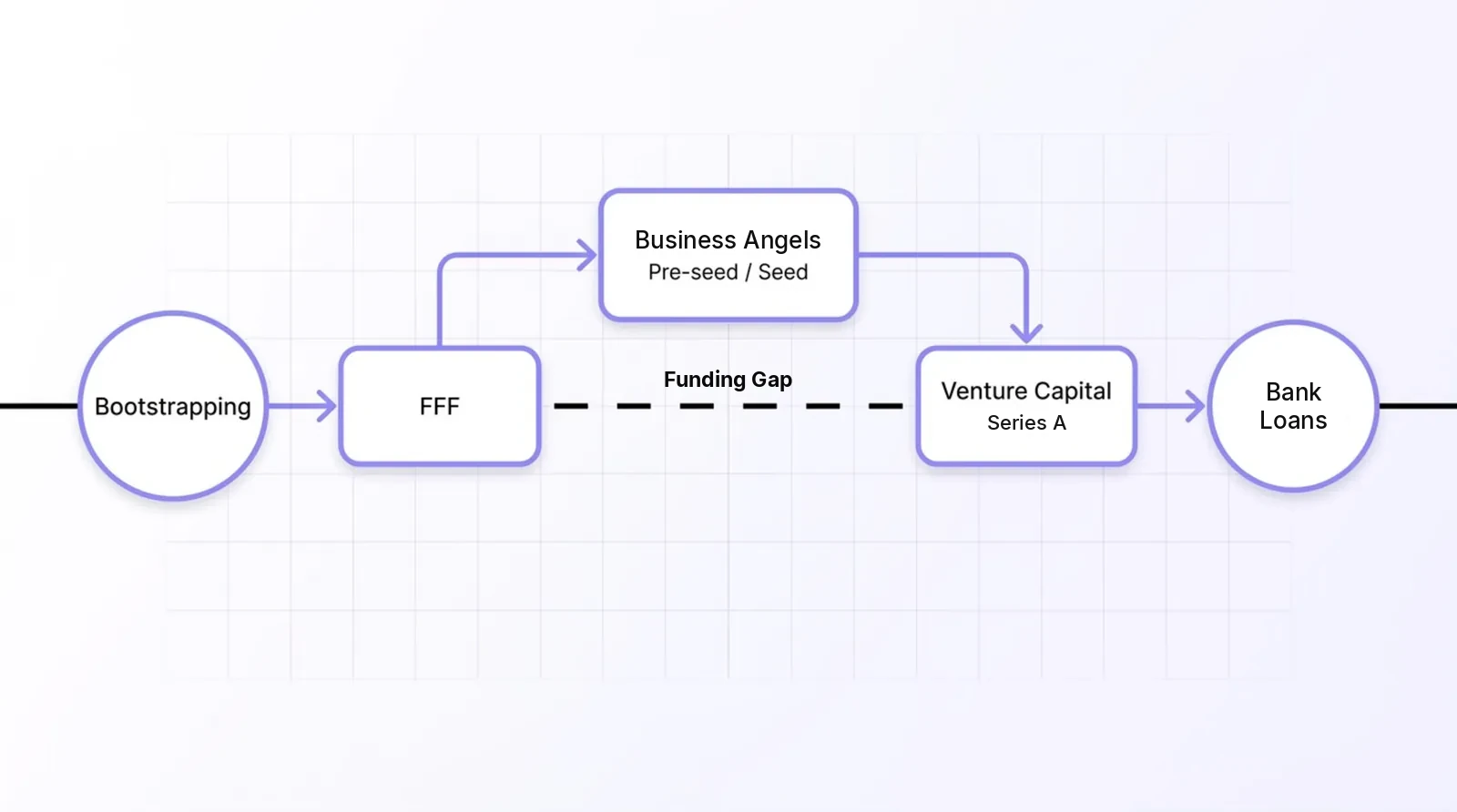
Business angels close the so-called funding gap. At the stage of building an MVP or running the first market tests, banks will not grant a loan, and for most VC funds it is still too early because of the lack of recurring revenue or too short an operating history. Private investors take on this risk, counting on a rapid increase in the company's valuation over a few years.
Typical traits of business angels
In most cases, business angels are experienced entrepreneurs, founders after successful exits or senior managers. They have free capital and practical industry knowledge. Their goal is a high return on investment (often around 30% per year over a 5-7 year horizon), but also a desire to stay close to new technologies and to support people who build interesting products.
In Poland, angels are most willing to invest in B2B SaaS models, projects based on artificial intelligence (AI), marketplace platforms, and the fintech, insurtech and healthtech sectors. Deep tech and dual-use technologies are also growing in importance. Market data shows that the profile of the Polish investor keeps evolving: alongside tech founders, more and more owners of profitable companies from traditional industries appear, looking to diversify their portfolio.
Benefits and risks of working with a business angel
Working with a business angel gives a startup concrete benefits: flexibility in decision-making, first-hand mentoring, access to a network of partners and a faster decision process than the formalised committees of VC funds. An engaged investor can save founders months of mistakes when entering the market.
There are also challenges to keep in mind. Raising capital means diluting the shareholding structure (giving away part of the equity), the need for regular reporting and potential differences in views on how fast the company should scale. From the angel's own perspective the risk is high: most young projects fail, the investment has low liquidity and the exit horizon is usually 5 to 10 years. For this reason, the returns of an angel's entire portfolio are usually generated by just a few of the strongest companies.
Where to look for a business angel in Poland?
There is no single public register of investors, so reaching business angels requires being active in the ecosystem. The best results come from building relationships, collecting referrals and being present where founders and business operators meet.
Business angel organisations and clubs
Organised business angel networks are a good starting point, because they select projects and run regular pitching sessions. In Poland, the most important ones include:
- COBIN Angels: The largest professional business angel club in Poland (active since 2015). It provides access to closed investment sessions, educational programmes and a network of over 160 investors, and publishes annual market reports.
- Lewiatan Business Angels: A long-standing network bringing together entrepreneurs associated with the Lewiatan Confederation.
- AMBER business angel network: A nationwide initiative combining private capital with expert support for early-stage projects.
- PolBAN (Polish Business Angels Network): The oldest angel club in the country (founded in 2003), organising networking meetings and workshops.
- SATUS Starter: A team focused on deep tech, biotechnology, medtech and advanced IT projects.
- Gildia Aniołów Biznesu (Business Angels Guild): A publicly funded platform that assesses projects free of charge and connects them with investors.
You usually apply to these clubs through application forms, followed by an initial screening of your materials.

Networks and industry events
Direct conversations at meetups and conferences are the shortest route to a warm intro. It is worth attending events such as:
- Infoshare: One of the largest tech conferences in Central and Eastern Europe, held in Gdańsk, with an extensive matchmaking zone.
- Wolves Summit: A recurring event focused on 1:1 meetings between founders and investors from across the CEE region.
- Local meetups and regional conferences: Warsaw Investors Meetup, Startup WRO Meetup, Carpathian Startup Fest or the regular Startup Community Poznań meetups, where you can discuss your product with experienced operators and business angels in a relaxed atmosphere.
Before each event, look through the attendee list in the conference app and plan short meetings in advance. Be specific: present the problem, your traction and the kind of support you need right now.
Incubators, accelerators and mentoring programmes
Acceleration programmes and incubators give direct access to a pool of mentors who are often active business angels in private. Examples include the regional PARP Startup Platforms (Platformy Startowe) and industry acceleration programmes for the AI and fintech sectors. Taking part in a programme lets investors watch your discipline in delivering on goals for several months before they commit capital.
Online platforms for startups and investors
Databases and digital platforms let you do precise research before you send your first message:
- Vestbee: A regional platform connecting startups from Central and Eastern Europe with funds and business angels.
- Dealroom and Crunchbase: Databases for checking individual investors' deal history, round sizes and sector preferences.
- AngelList: An international service that helps you reach global angels investing in Polish teams.
- LinkedIn: A tool for directly mapping connections and finding mutual contacts who can introduce you to an investor.
Instead of mass-messaging people on social media, pick a dozen or so investors who best match your profile and prepare a personalised message.
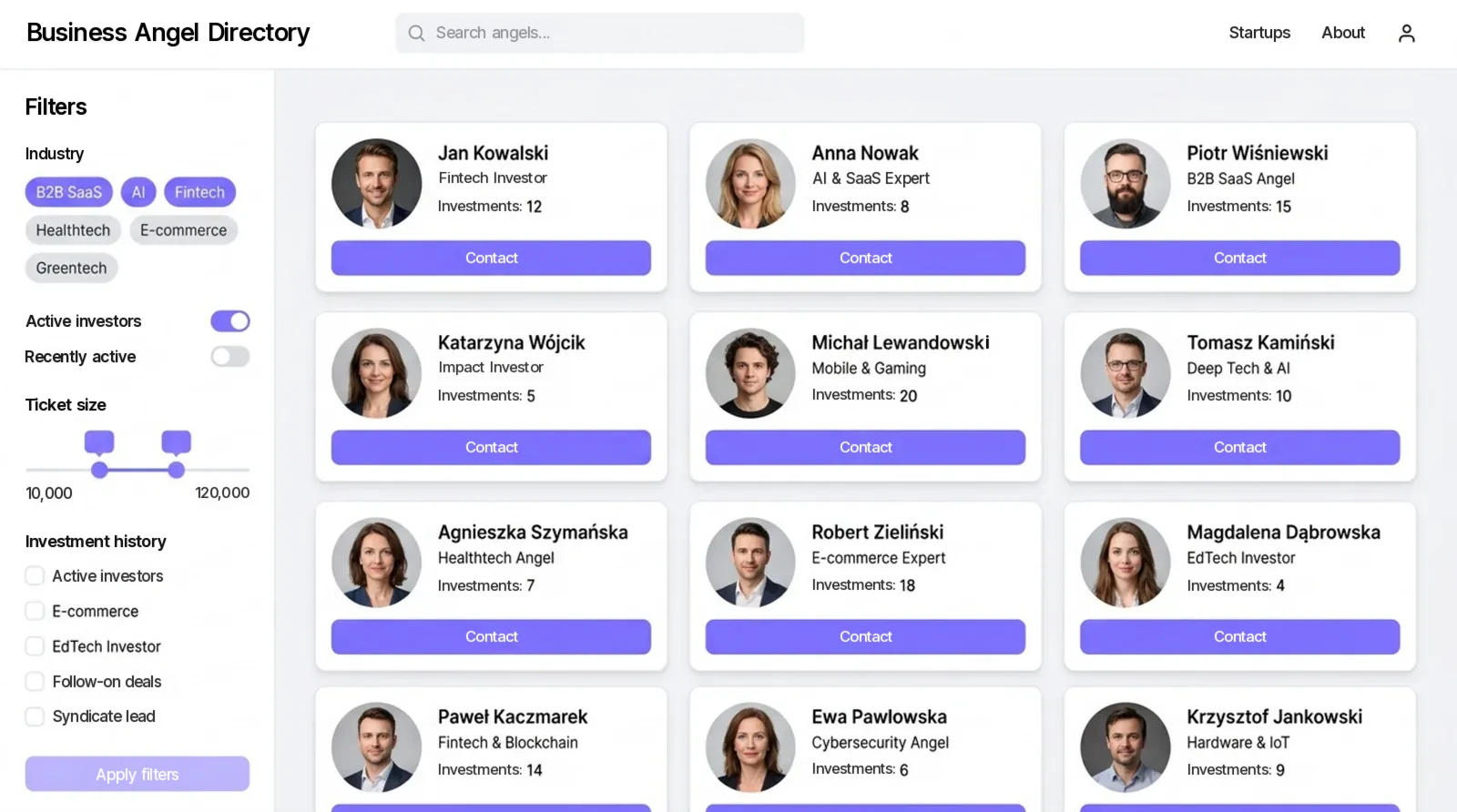
List of business angels and key organisations in Poland
More than a thousand private investors are active in Poland. Although there is no single directory, you can follow the activity of many of them through industry organisations, market rankings and awards.
The most active Polish business angels
The core of the Polish market consists of founders with successful exits and experienced managers. It is worth following, among others, the winners of the Business Angel of the Year competition organised by COBIN Angels. Recognisable and active business angels in Poland include, among others:
- Piotr and Tomasz Karwatka (founders of Divante, among others, investing in B2B SaaS and e-commerce)
- Wiktor Schmidt (co-founder of Netguru)
- Dawid Urban (investor in consumer and technology projects)
- Wojciech Kostrzewa (president of the Polish Business Roundtable, fintech investor)
- Paweł Kastory and Bartek Pucek (investors in AI, digital and media projects)
- Mati Staniszewski (ElevenLabs) and Marcin Zukowski (Snowflake) - founders of global companies who reinvest capital and know-how in Polish teams
Look for investors with real experience in your business model - their feedback and sales contacts will be worth more than the money alone.
Leading Polish business angel networks and associations
The key structures driving the Polish angel market include:
- COBIN Angels: The most active angel club in Poland, a member of EBAN (European Business Angel Network), running international syndication programmes.
- Lewiatan Business Angels and PolBAN: Organisations with many years of experience in the capital market.
- AMBER and SATUS Starter: Entities supporting technology projects at the pre-seed/seed boundary.
- Gildia Aniołów Biznesu: A network that makes free validation and presentation of projects to private investors easier.
It is also worth looking at co-investment funds and early-stage seed players (such as SpeedUp Group or Xevin Investments), which often build syndicates together with business angels.
How to prepare to raise money from a business angel?
Before you start writing to investors, get your project data in order. Define your stage (MVP, first paying users), the target round size, the base valuation and the planned milestones for the next 12-18 months. Good preparation keeps the due diligence process to a minimum.
What to do before you write to an investor (a short checklist)
| Step | What to prepare / check |
|---|---|
| 1. Investor fit | Industry, stage (pre-seed/seed), average ticket, investment history, ability to provide operational support. |
| 2. Round goal | A specific amount and 2-3 measurable milestones (e.g. rolling out an integration, entering the DAX market, acquiring 50 B2B customers). |
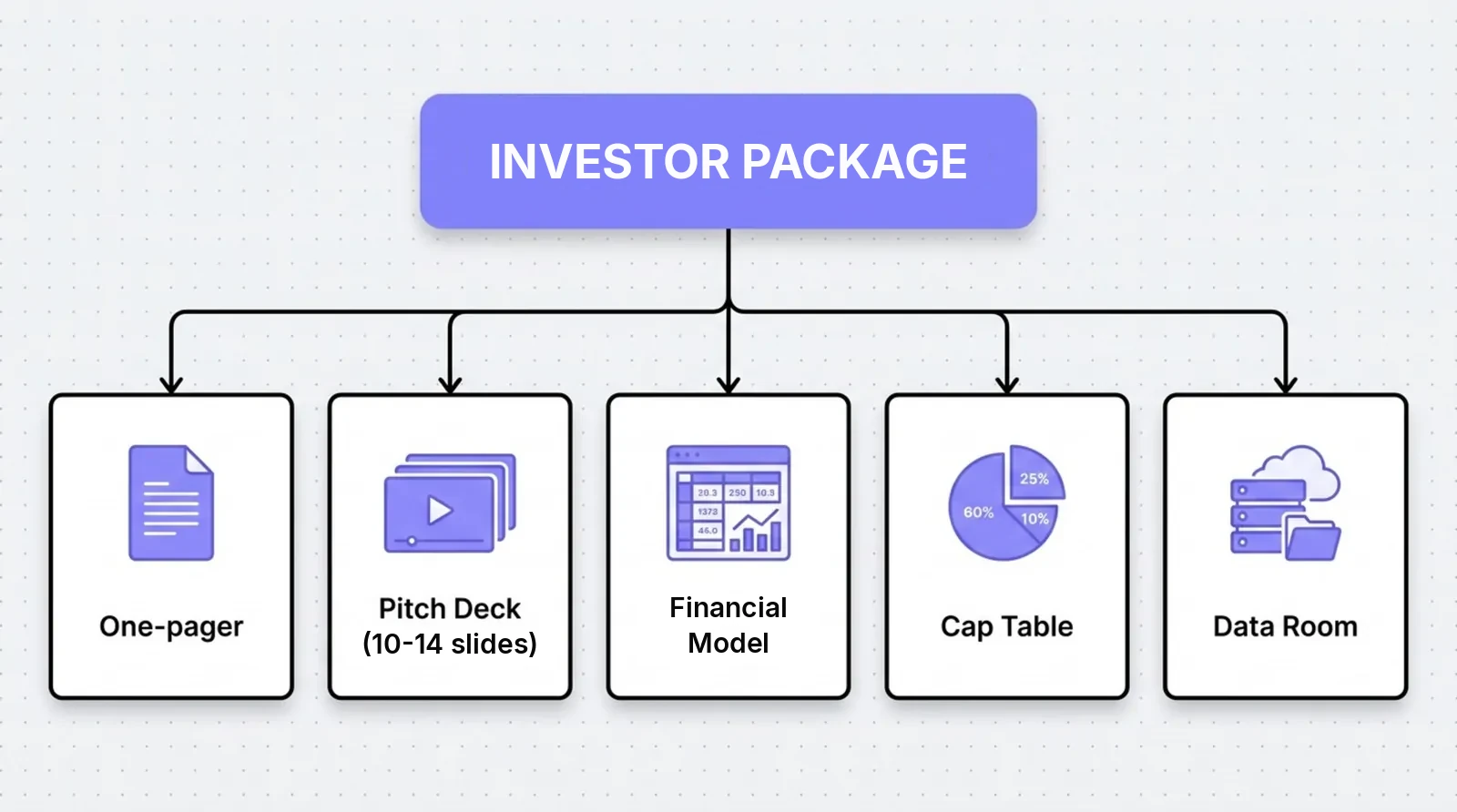
| 3. Materials package | One-pager, pitch deck, financial model, cap table, working product demo. |
| 4. Path to the investor | Checking mutual connections on LinkedIn, founders from the investor's portfolio or mentors who can make a warm intro. |
| 5. Community validation | Testing your pitch and business assumptions at local meetups and founder community gatherings. |
Documents and materials you need to present your project
A clear set of investor materials should include:
- One-pager: A single A4 page summarising the problem, solution, market, traction, team and round size, with a concrete CTA (a request for a 15-minute call).
- Pitch Deck (10-14 slides): A concise presentation covering the problem, the product's unique value, the market (TAM/SAM/SOM), the business model, traction, competition, the team and the use of funds from the round.
- Traction and KPIs: Monthly trends of key metrics (MRR/ARR, churn, CAC, LTV, user base growth rate).
- Simplified financial model: A spreadsheet showing revenue and cost projections, runway and the spending structure of the new round over 18-24 months.
- Cap Table: A clear shareholding structure before and after the potential round, including the employee stock option pool (ESOP).
- Product demo: Test access, mockups or a short video showing how the solution works in practice.
- Data Room: A secure cloud folder with founders' agreements, intellectual property (IP) rights and financial documents for due diligence.
How to build an effective investor pitch?
A good pitch focuses on facts, not generalities. Present a logical chain of cause and effect:
- Problem: What real and costly problem do you solve for your customers?
- Solution and product: Why does your approach work better than the current alternatives?
- Traction: What hard evidence of market demand do you have (pilots, returning customers, revenue)?
- Market and business model: Who pays, how much do they pay and how big is the target market segment?
- Team: Why exactly are you the people with the skills to deliver this project?
- Ask and runway: How much are you raising, what will you spend it on and how far will this capital take you?
Prepare a 3-minute version of your presentation and a 60-second version (the so-called elevator pitch) without slides. Be ready for questions about unit economics and customer acquisition costs.
First contact and conversation with a business angel - what you should know
The first meeting is for assessing mutual fit. Above all, the investor evaluates the founders' way of thinking, their knowledge of the industry and their ability to draw conclusions from feedback.
How to find the right angel for your project?
Choose investors selectively, using the following criteria:
- Sector fit: Does the investor understand your market and your customers' specifics?
- Investment stage: Do they back pre-revenue / pre-seed projects, or do they already require recurring MRR?
- Ticket size: Do they invest on their own (e.g. PLN 50-100k), or do they lead larger syndicates (PLN 500k - 1 million)?
- Added value: In which areas can they help operationally (recruitment, international expansion, enterprise contacts)?
Use Crunchbase, Dealroom and Vestbee to check a given angel's previous investments and to avoid contacting people linked to your direct competitors.
How to get in touch and stand out?
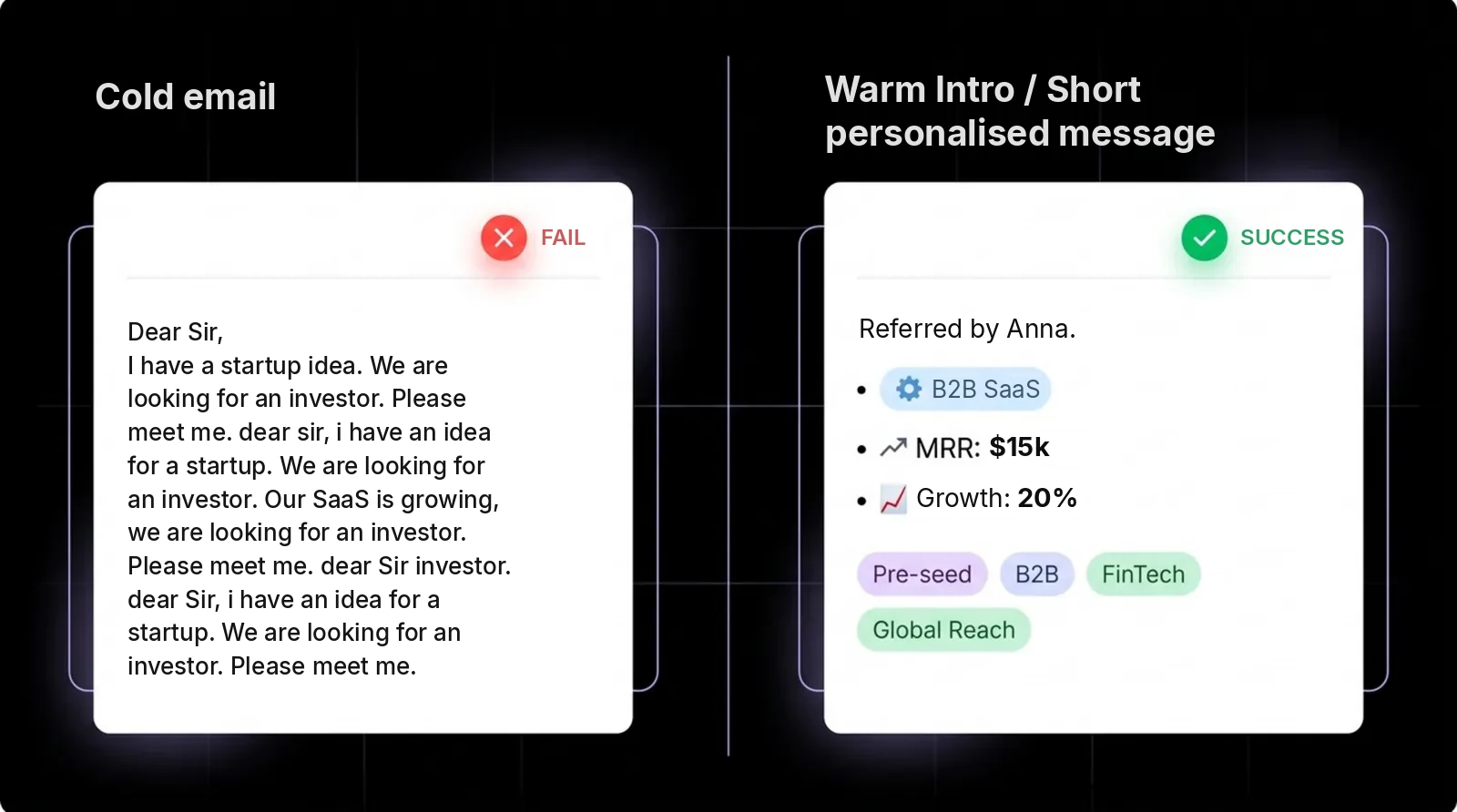
Cold emailing has low effectiveness compared to a warm intro. Ask to be introduced by another founder from the investor's portfolio, a mentor from the community or a mutual acquaintance from the industry. If you have to write directly (LinkedIn or email):
- Subject line: Short and specific, e.g. "[Startup Name] - B2B SaaS for logistics, €150k pre-seed, 15% MoM growth".
- Body: 5-7 sentences at most. Explain what you are building, show the key traction number, say why you are contacting this particular person and suggest a short online meeting.
- Attachment: Link a secure one-pager or a concise pitch deck (e.g. DocSend).
The most common questions at a first meeting with an investor
During the first conversation, expect questions that test the fundamentals of the business:
- What exactly is your solution's competitive advantage?
- What does the sales process look like and how long is the average customer decision cycle?
- What are your current customer acquisition costs (CAC) and retention rates?
- How many months will the requested amount last (runway) and what goals will it achieve?
- What is the biggest operational or technological risk in the project?
Answer directly. If you do not know the answer to a question, say so openly, promise to check and come back with specific information after the meeting.
The investment process - steps after finding a business angel
Once a business angel declares interest in the project, the formal and legal phase begins: agreeing the terms of the deal (Term Sheet), reviewing the company (due diligence) and signing the investment agreement.
Negotiating investment terms and the key elements of the agreement
The company's valuation is only one of the negotiation points. Pay attention to the key clauses in the Term Sheet and the investment agreement:
- Pre-money and post-money valuation: The company's valuation before and after the new financial contribution.
- Stake size and dilution: The percentage of shares the investor takes at a given stage.
- Founder share vesting: A mechanism that secures the founders' commitment over time (most often 3-4 years with a one-year cliff).
- ESOP pool: A reserve of shares set aside for an incentive programme for key employees.
- Control rights and corporate governance: The range of matters requiring the business angel's consent (reserved matters, e.g. taking on large liabilities, selling IP).
- Share transfer rights: Tag-Along clauses (the right to join a sale) and Drag-Along clauses (the right to drag others into a sale).
- Pre-emption and pro-rata rights: The ability to take part in subsequent funding rounds to protect against dilution.
When drafting the agreement, have the terms reviewed by a lawyer specialising in transactional law for startups and VC funds.
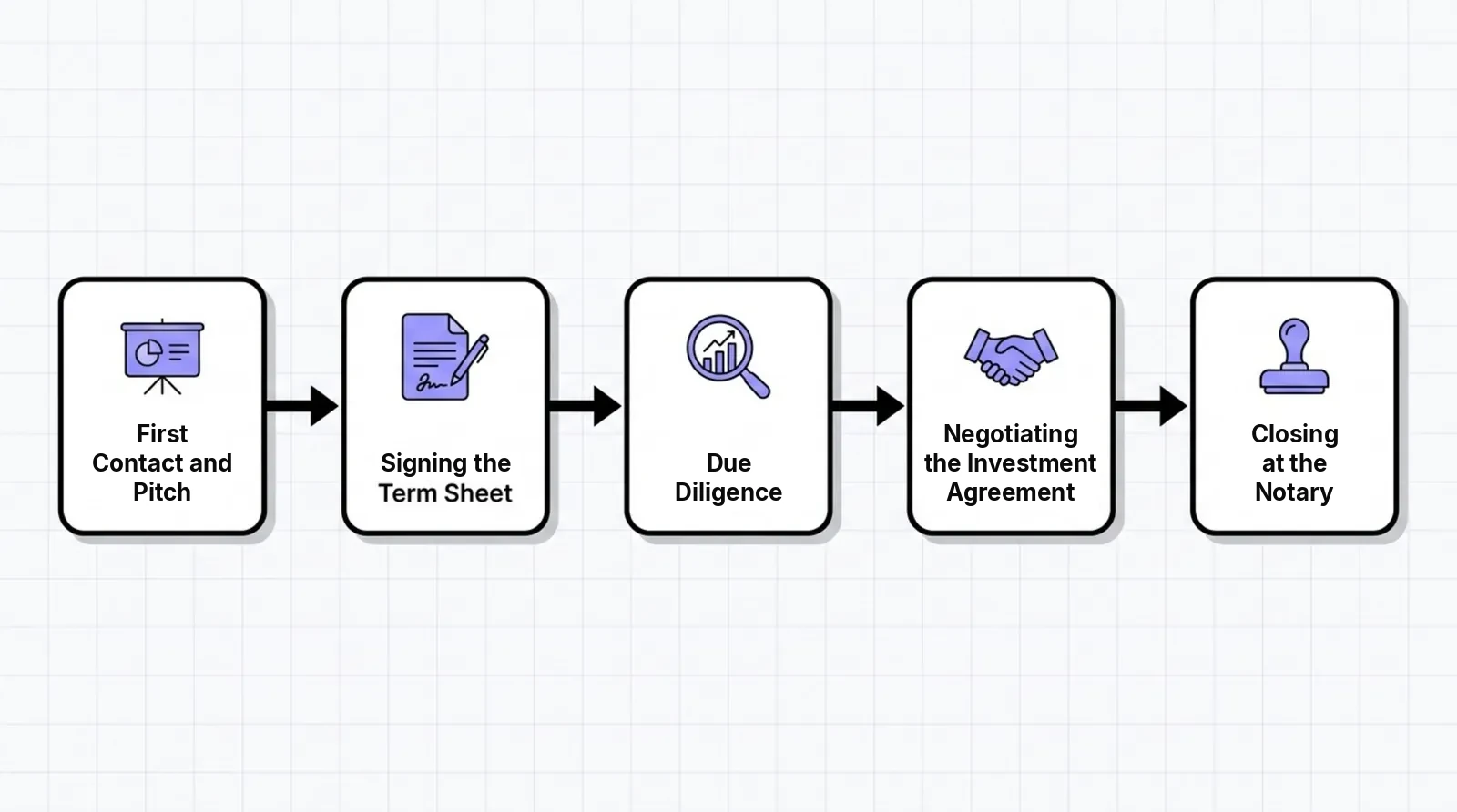
Forms of financing and typical investment instruments
Early-stage financing in Poland is most often carried out through:
- Taking up shares (Equity): A classic increase of the share capital and subscription for shares at an agreed valuation. It requires a visit to a notary and an entry in the KRS (the Polish National Court Register).
- Convertible Note: Debt that converts into shares at the next priced round, with a defined discount or a maximum valuation (valuation cap). A fast form of bridge financing.
- SAFE agreements: Simple agreements for future equity, increasingly used in international deals or adapted to Polish legal conditions.
Frequently asked questions about business angels in Poland
Below you will find answers to the most common questions about investment practice in the Polish ecosystem.
What are typical investment amounts and terms?
A single business angel in Poland usually invests between PLN 50,000 and PLN 250,000. In syndicates (groups of several angels investing together), the amounts raised range from PLN 300,000 up to as much as PLN 1.5-2 million. In return, investors usually take from a few to a dozen or so percent of the company's shares at the pre-seed/seed stage.
Can a business angel invest more than once?
Yes. Many angels reserve capital for so-called follow-on rounds, i.e. additional funding at later stages for the most promising companies in their portfolio. It is worth asking an investor about their strategy on this during the initial conversations.
Does an investment from a business angel mean giving up control of the company?
No. The market standard at an early stage is for the founding team to keep a controlling majority stake (usually above 75-80% after the first round). Business angels protect their interests through provisions in the articles of association (reserved matters, information rights), while the operational management of the company remains in the founders' hands.
The Polish angel investment market is maturing rapidly. Market data shows that more than half of active business angels started investing in recent years, and the growth of local communities makes it easier to build direct contacts. Building a startup requires testing ideas in practice - regularly exchanging experiences with other founders, collecting honest feedback and attending industry events is the simplest way to get your company ready to raise money from the right investor.
Keep reading
All articles →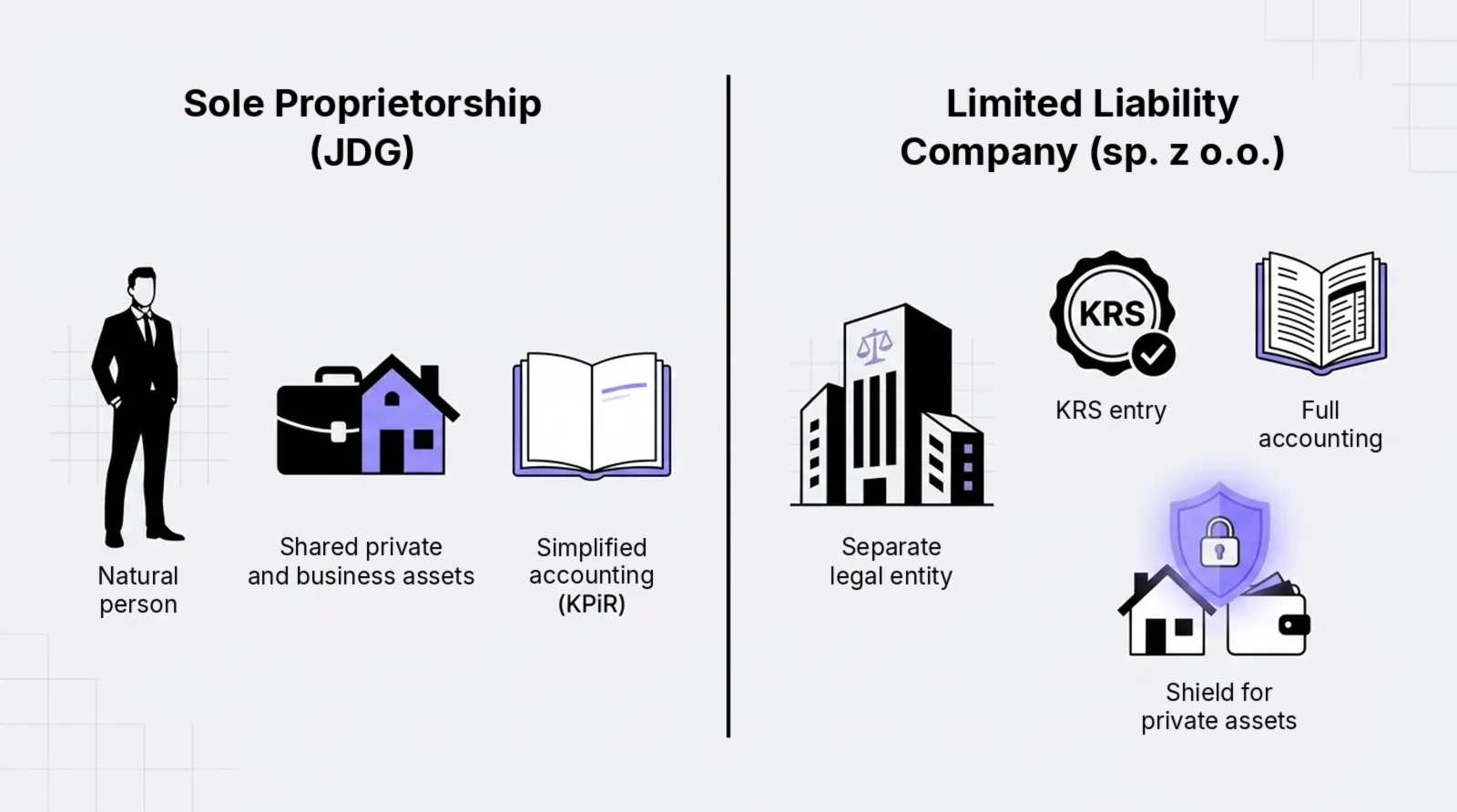
Cost of Starting a Company in Poland: Sole Proprietorship (JDG) vs sp. z o.o.
What does starting a company in Poland cost? Compare JDG and sp. z o.o.: registration fees, accounting, ZUS, taxes and a realistic startup budget.
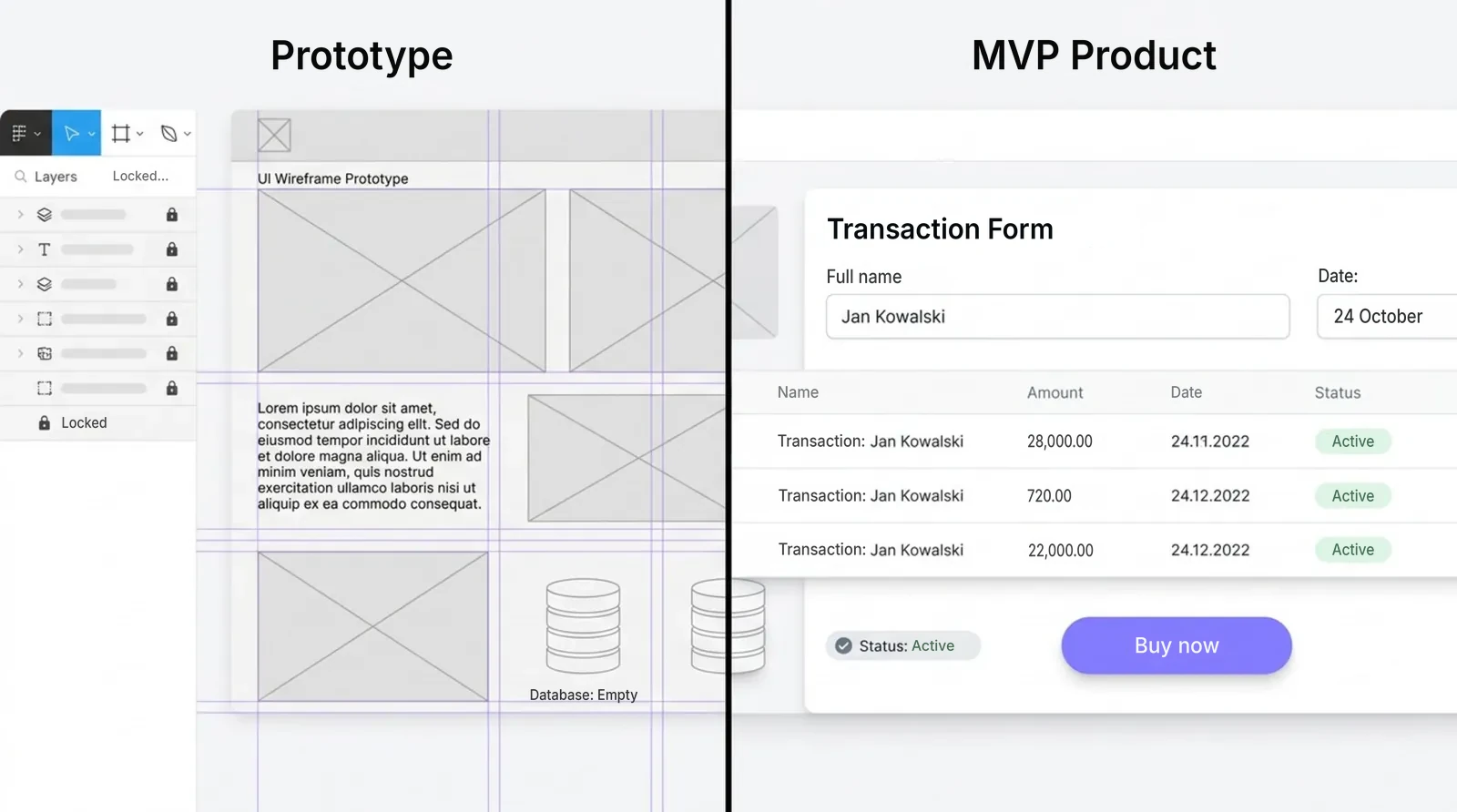
How to Build an MVP Without Losing Your Mind: A Practical Guide
How to build an MVP step by step: definition, process, key metrics, common mistakes, legal basics and examples of companies that started with an MVP.
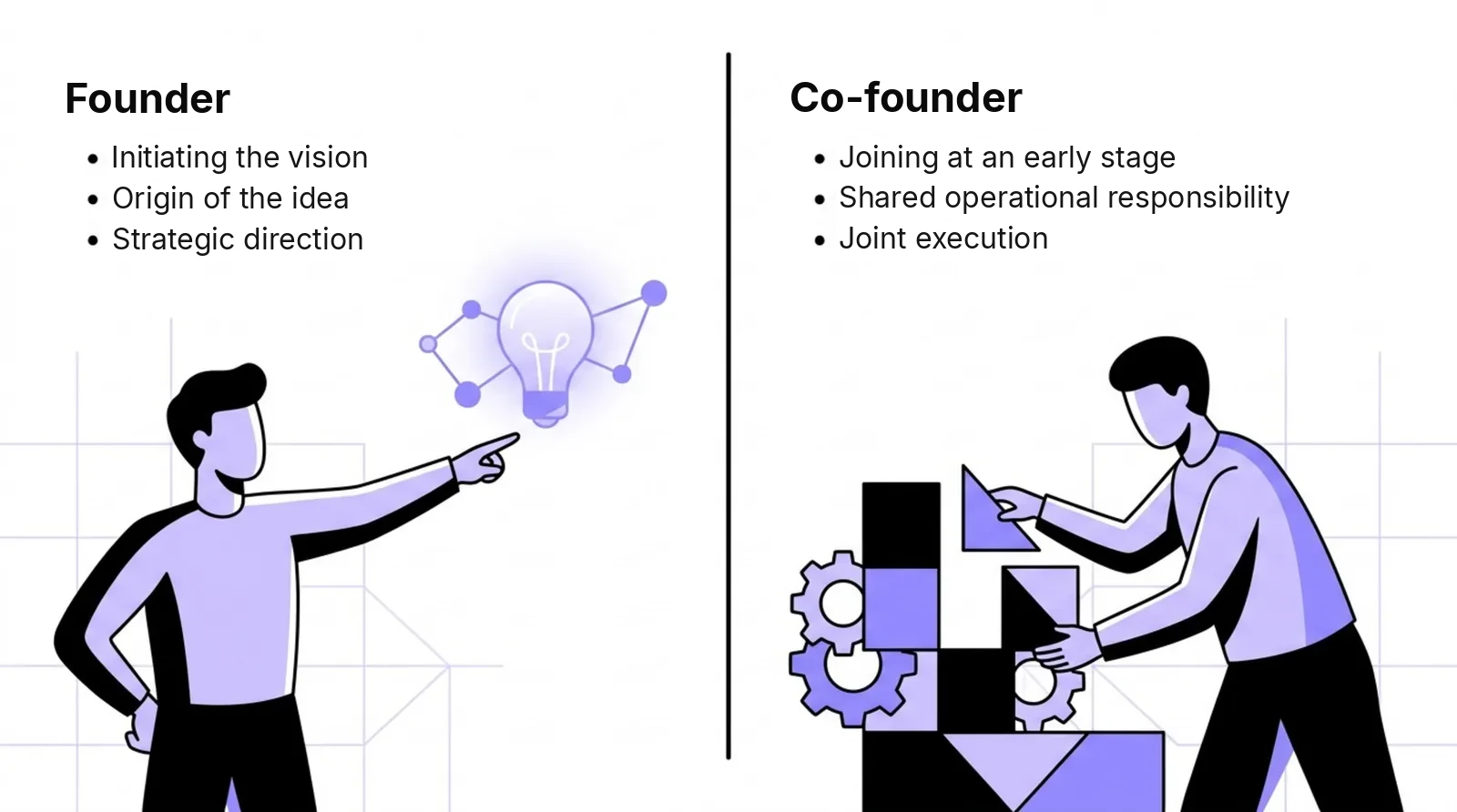
How to Find a Co-Founder Without Destroying Your Startup
How to find a co-founder for your startup: where to look, how to test the fit in a trial project and what to put in your founders' agreement.