
Startup Networking: Why Most Opportunities Come Through People, Not LinkedIn
Startup networking: why investments, partnerships and hires come through referrals and in-person meetings, and how to combine them with LinkedIn.
Contents
Why do most key opportunities in startups come from direct relationships rather than LinkedIn's algorithms? Online platforms make initial market mapping easier, but when business risk is high, it is trust, personal referrals and direct conversations that decide investments, partnerships and key hires.
Startup networking: how is it different from networking on LinkedIn?
Networking in startups is above all about building long-term relationships, not mechanically swapping business cards or mass-sending invitations on social platforms. A valuable relationship takes time and is built on mutual value: sharing experience and practical knowledge, supporting each other and an honest approach to working together.
Why do offline relationships matter more in startups?
Building a startup means constant uncertainty. At the early stage there is often a lack of hard data, repeatable sales results or an established market position. In such conditions, business decisions rely on social signals: whether the founder can deliver on promises, how they handle pressure and whether the team is credible.
Meeting face to face lets you assess the other side much faster. You see their communication style, their reactions to difficult questions and whether their words match their actions. As Edyta Godziek notes, the most happens where there is the most trust - not simply where there are the most people. You won't build trust with one quick contact. It grows when:
- you talk regularly in different circumstances,
- you share knowledge and support without expecting an immediate return,
- you show in practice that you keep your commitments.
That is the community-led approach: you get involved in the community and build your network long before you need support, a partner or capital. This is exactly how Startup Community Poznań works - as a place where founders, investors, experts and people building tech companies meet regularly. Instead of limiting networking to a one-off exchange of contacts, the community creates space for repeated conversations, sharing experience and building relationships that over time can lead to collaboration, referrals or new projects.
The main limitations of networking on LinkedIn
LinkedIn remains an effective tool for specific tasks:
- finding people by role, company and industry,
- checking a person's professional profile and experience,
- following the topics a given expert engages with.
The limitations appear when you need something more than dry profile information. One challenge is the flood of repetitive AI-generated content. Rafał Szymański points out that such posts tend to be cognitively shallow - they sound correct but add no real substance. Readers are getting quicker at spotting generic messages, so the effectiveness of cold messages keeps falling.
LinkedIn will show you a shared university or former employer, but it won't answer the key questions:
- what the actual quality of the relationship with the mutual contact is,
- what reputation the person has in the industry,
- whether a recommendation comes from real experience or is just a courtesy.
Collecting contacts without building relationships rarely translates into raising funding, winning new customers or finding trusted collaborators.
Why do most business opportunities in startups come from human relationships?
Most valuable doors in the startup ecosystem open thanks to direct referrals. This comes down to a simple risk-management mechanism: people are more willing to make decisions based on the opinions of those they already know and trust.
The psychology of trust and referrals in the startup world
A startup means risk for everyone involved: the investor risks capital, the business partner their resources and reputation, and a key employee their own time and career path. When there is no multi-year financial history, the key factor becomes who is behind the project and who can vouch for it.
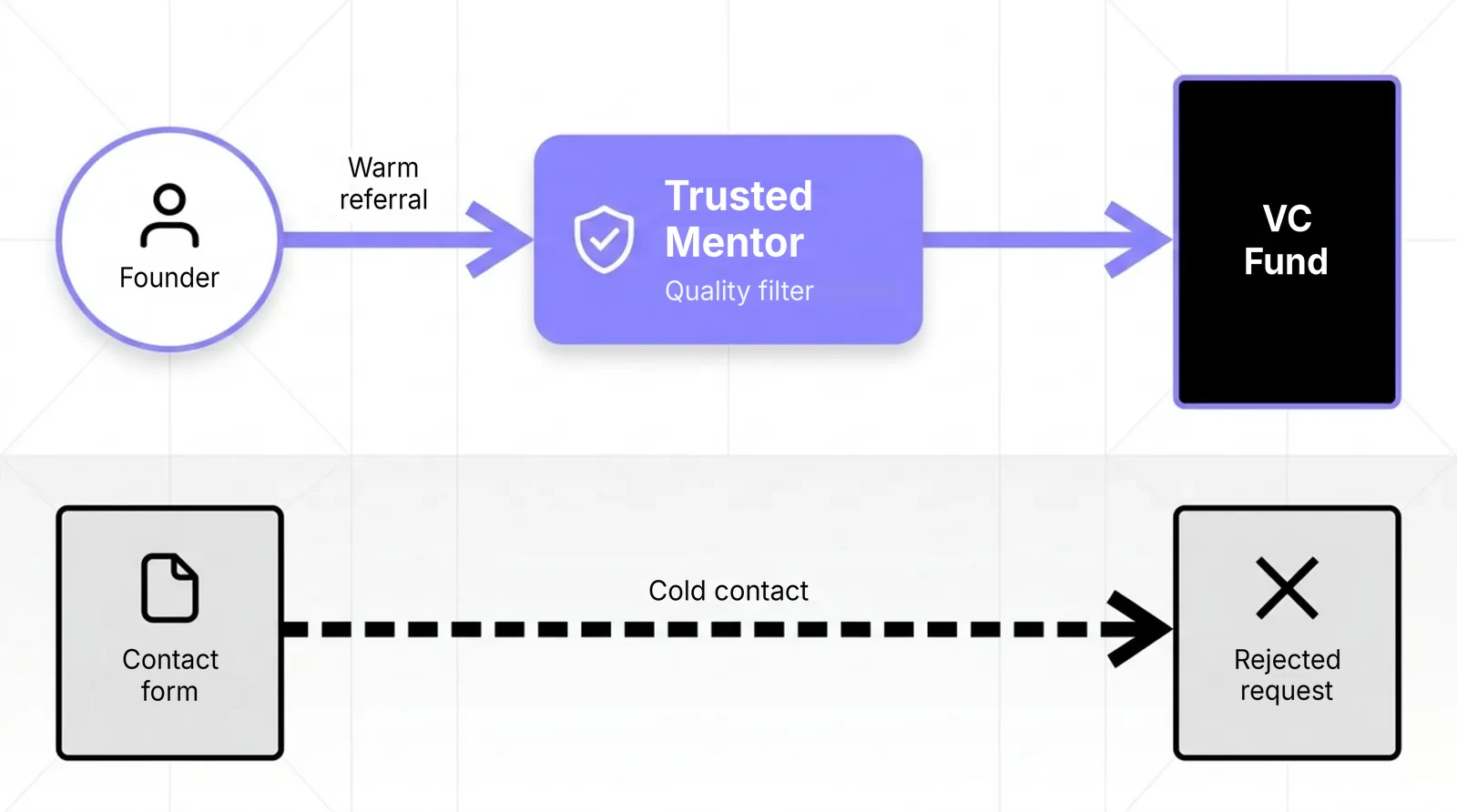
A referral works as a quality filter. When a trusted person says: "I know this team, I know how they work and they're worth talking to", they are putting their own reputation on the line. No algorithm can replace this kind of verification.
How trust is built through personal interactions
Building trust requires repetition and consistency. A simple rule works well: offer value before you ask for anything. This can take the form of:
- introducing two people who could work together,
- sharing the contact of a proven specialist,
- honest feedback on a pitch deck or product,
- recommending a proven tool or a candidate for the team.
In direct conversations it is also easier to show real experience. Rafał Szymański stresses that genuine experiences, mistakes and lessons from building a company cannot be faked. Talking about specific challenges and setbacks often builds more credibility than talking only about successes.
The importance of closed communities, events and informal meetings
In Poland the startup ecosystem is relatively tight-knit. That is exactly why local communities and regular events matter so much - they let you make contacts quickly and keep relationships going.
Practical examples of such spaces:
- Startup Community Poznań (SCP): a community where founders, investors and operators meet regularly and share experience without unnecessary distance.
- Startup Community Summit: a meeting space for founders, business angels and VC funds that makes direct conversations about collaboration and projects easier.
In places like these, having a few specific, in-depth conversations and following up efficiently counts for more than superficially greeting every participant.
Typical scenarios: how do opportunities arise outside the internet?
In practice, a single message on a social platform is rarely decisive. What usually matters is a direct introduction from a trusted person. Examples from everyday startup practice:
- Investment: a mentor or business angel connects a founder with a VC fund because they know the investment profile of both sides and see room for synergy.
- Business partnership: a casual conversation after a workshop leads to a pilot deployment because both companies are dealing with a complementary problem.
- Recruitment: a candidate referred by an operator you know significantly speeds up the process and reduces the risk of a bad hire.
Recruitment data shows that people hired through referrals go through the process much faster (on average about 23 days compared to 42 days for traditional job ads) and statistically stay longer in the organisation. In a startup team, where pace of work and fit are key, such a difference is fundamental.
Comparison: networking through people vs. networking on LinkedIn
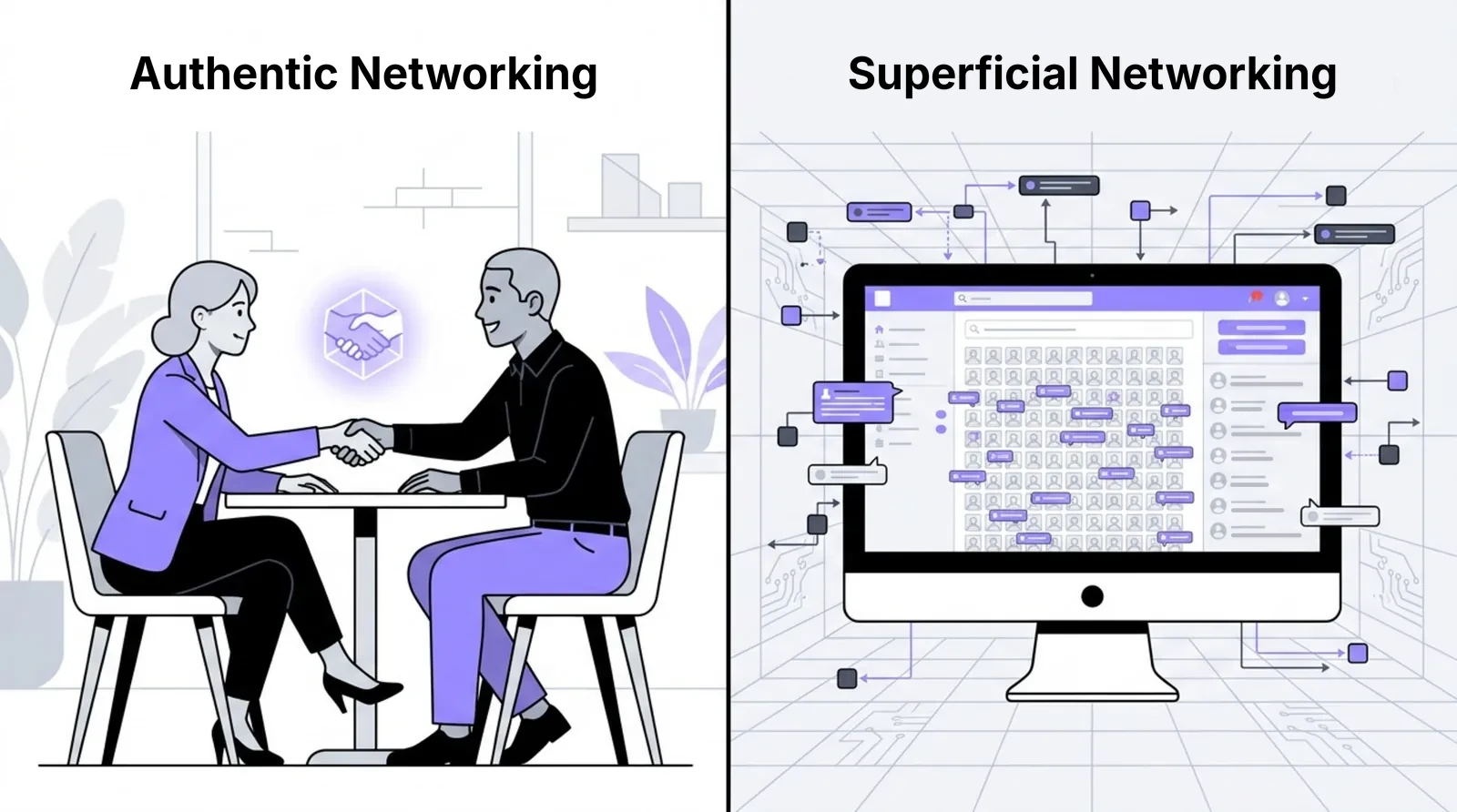
Instead of treating these methods as mutually exclusive, it is worth using them together. LinkedIn makes selection and initial contact easier, while direct relationships let you move on to real business agreements.
| Area | Relationships and referrals | |
|---|---|---|
| Greatest strength | High level of trust and direct introductions | Efficient people search and market mapping |
| Quality of contacts | Usually higher thanks to the introducer's personal reputation | Mixed (cold contact dominates) |
| Speed of starting a collaboration | Quick move to specifics with a good referral | Fast profile identification, slower trust-building |
| Level of information noise | Low - natural selection within the community | High - lots of notifications and mass messages |
Speed of making valuable contacts
LinkedIn is excellent for initial research. In a short time you can identify the people responsible for investments at a given fund, the management of a partner corporation or founders at a similar stage of growth.
Finding a profile, however, does not mean building a relationship. When a mutual acquaintance introduces you at an industry event, the conversation is on a completely different level of openness from the start, which makes it easier to get into the details.
Quality of referrals and leads - personal relationship vs. algorithm
An algorithm can point out common points in your CVs, but it won't verify actual skills or intentions. Verification is done by people in the ecosystem who know who reliably delivers on project goals and who stops at declarations.
VC market analyses show that projects reaching funds through a direct referral (e.g. from other trusted investors or experienced founders) are analysed much more thoroughly than submissions coming in through online forms.
How to build startup networking effectively beyond LinkedIn?
Effective networking outside digital platforms rests on simple principles: consistency, honesty, offering practical help and building long-term relationships.
Key skills: authenticity, proactivity, honesty
Basic principles worth putting into practice:
- Authenticity - say plainly what you do and what you are currently struggling with. Sharing real challenges builds more trust than creating an artificial image of success.
- Proactivity - take the initiative. Get involved in helping other founders before you need support yourself.
- Honesty - communicate your business goals clearly and avoid hidden intentions in conversations.
Good relationships are built through active listening and understanding the other side's challenges before moving on to your own proposals for collaboration.
How to spot and use opportunities at events and meetings?
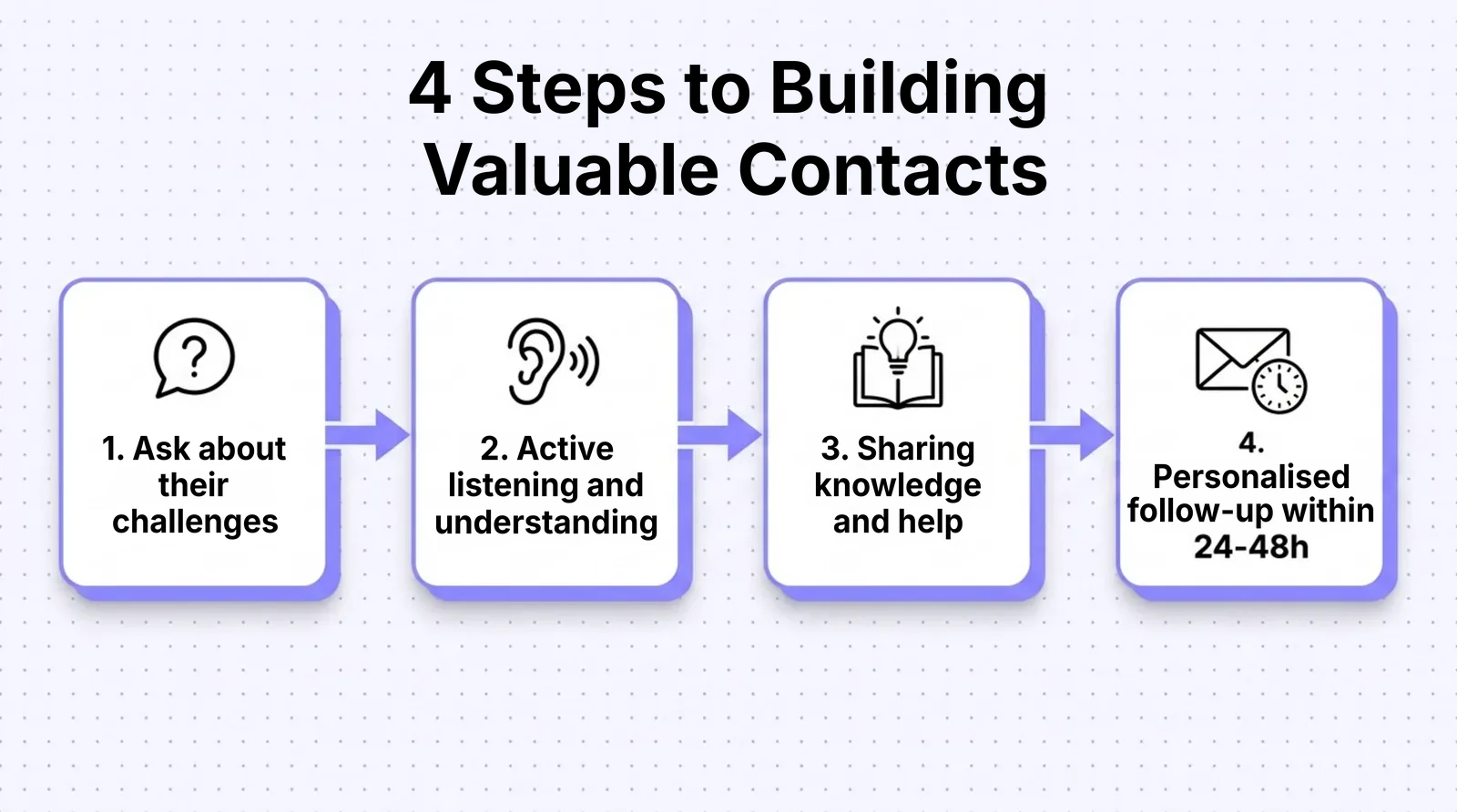
Attending events shouldn't be about collecting as many business cards as possible. Focusing on a few valuable conversations brings much better results. A proven approach:
- Ask the other person what product they are currently working on and what challenges they are solving.
- Listen to the answer and ask in-depth questions about the specifics of their market.
- Think about whether you can share knowledge, a contact or a useful tool.
- Send a short, personalised message (follow-up) within 24-48 hours after the meeting.
Choosing the right formats matters too. Places that give you room for calm, unhurried discussion are much more conducive to lasting business relationships than crowded conference halls.
Organising and attending meetups, hackathons and closed clubs
If you want to grow your network in practice, choose formats based on regularity:
- local startup and tech meetups,
- hands-on workshops and hackathons,
- closed mastermind groups for founders,
- community meetings, such as Startup Community Poznań,
- industry ecosystem meetings.
Another good step is getting involved in organising smaller meetings, moderating discussions or sharing your own case study. Working for the local ecosystem quickly builds recognition and a reputation as an engaged person.
The most common startup networking mistakes
Staying only in the online world
Treating LinkedIn as your only contact channel is a common mistake. The platform supports the process well, but rarely replaces direct contact. Expecting a single cold message to secure a funding round or a strategic partnership usually leads to disappointment.
The second mistake is treating the number of contacts as the main measure of success. Collecting hundreds of online connections without deepening relationships brings no real business value.
Not investing in building real relationships
Relationships require consistency. Getting in touch with people from the ecosystem only when you need help or are looking for capital is quickly noticed and discourages collaboration.
The most common mistakes are:
- no contact or recap after the first meeting,
- getting in touch only to ask for a favour,
- making commitments and not following through,
- talking with a hidden sales agenda.
Networking brings the best results when it is based on partnership: regular contact, sharing knowledge and helping each other solve current problems.
How to combine the power of relationships and LinkedIn to increase your chances of success?
The most effective approach is a hybrid one: using digital platforms to find information and stay in touch, and in-person meetings to build lasting trust.
Strategies for a sensible online presence that supports offline networking
How to combine these activities into a coherent process:
- Use LinkedIn for analysis: map funds, check the profiles of business angels and see who works in the area you are interested in.
- Avoid pitching immediately: instead of sending an offer in your first message, ask a mutual acquaintance for an introduction or suggest a short chat after an upcoming event.
- Keep your profile clear: after meeting in person, people often check your profile, which should clearly communicate what you are building and for whom.
- Engage with substance: a specific comment under an industry post builds your expert position more effectively than publishing generic content.
- Keep in touch: send a short message after an offline meeting, congratulate someone on a launch or suggest a short chat when you are visiting their city.
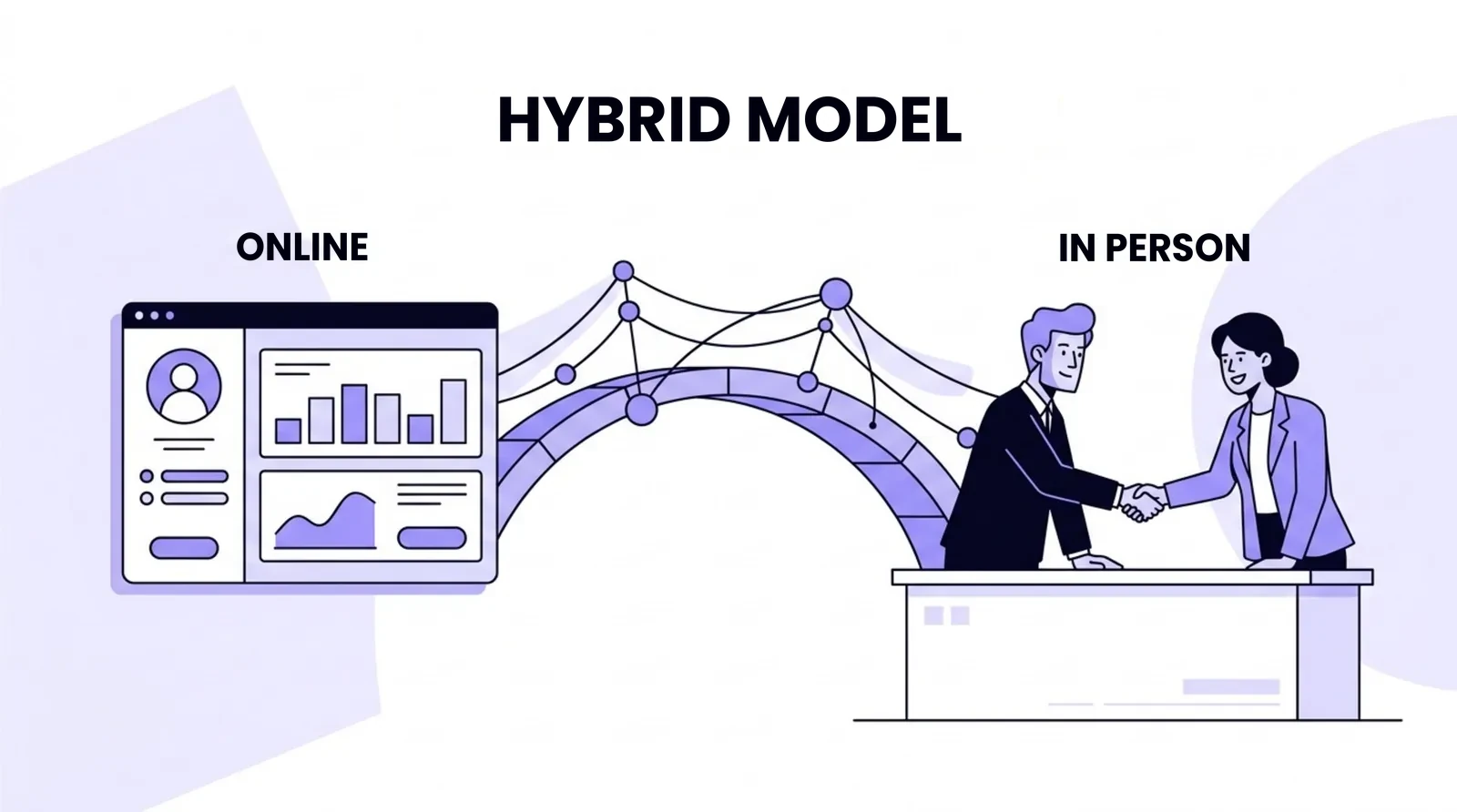
For promotional activities, it is worth using formats that support founders' personal profiles (e.g. thought leader ads). They let you combine reach with authentic expert communication.
Conclusions: what does the advantage of human relationships over LinkedIn mean for startups?
In the startup ecosystem, trust remains the key factor. Digital tools help you find the right people, but it is human relationships that make the next steps possible: getting mentoring, entering a partnership or closing an investment round. On the Polish tech market, access to a few trusted people with practical know-how is often worth more than broad but superficial reach on social media.
The best results come from a balanced approach:
- online: precise research, verifying information and keeping in touch,
- offline: direct conversations, sharing experience and building credibility.
Networking is a continuous process of getting to know people and supporting each other in building companies. If you want to grow your network in practice, join the community, come to a local Startup Community Poznań meetup and talk to founders and investors facing similar challenges.
Keep reading
All articles →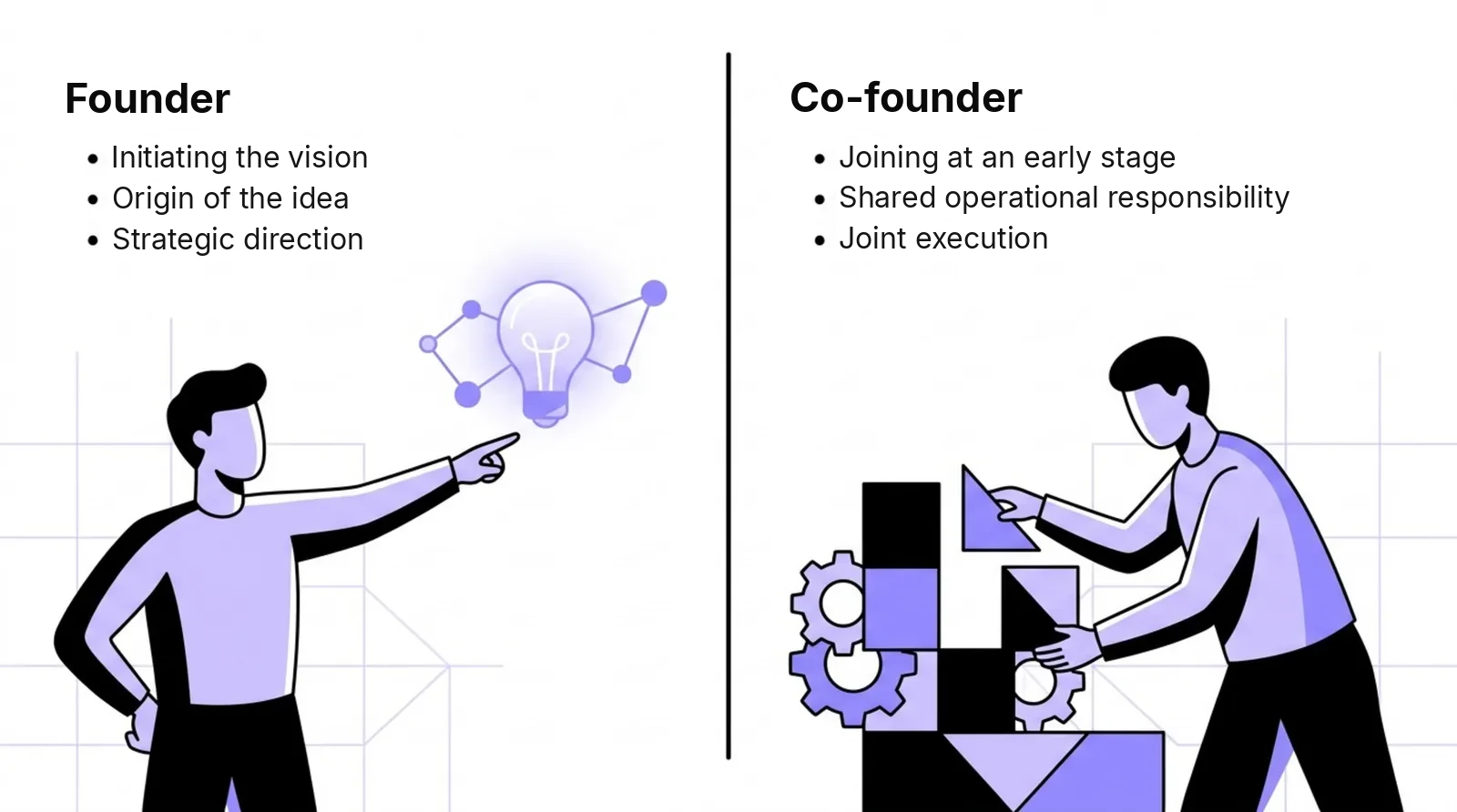
How to Find a Co-Founder Without Destroying Your Startup
How to find a co-founder for your startup: where to look, how to test the fit in a trial project and what to put in your founders' agreement.
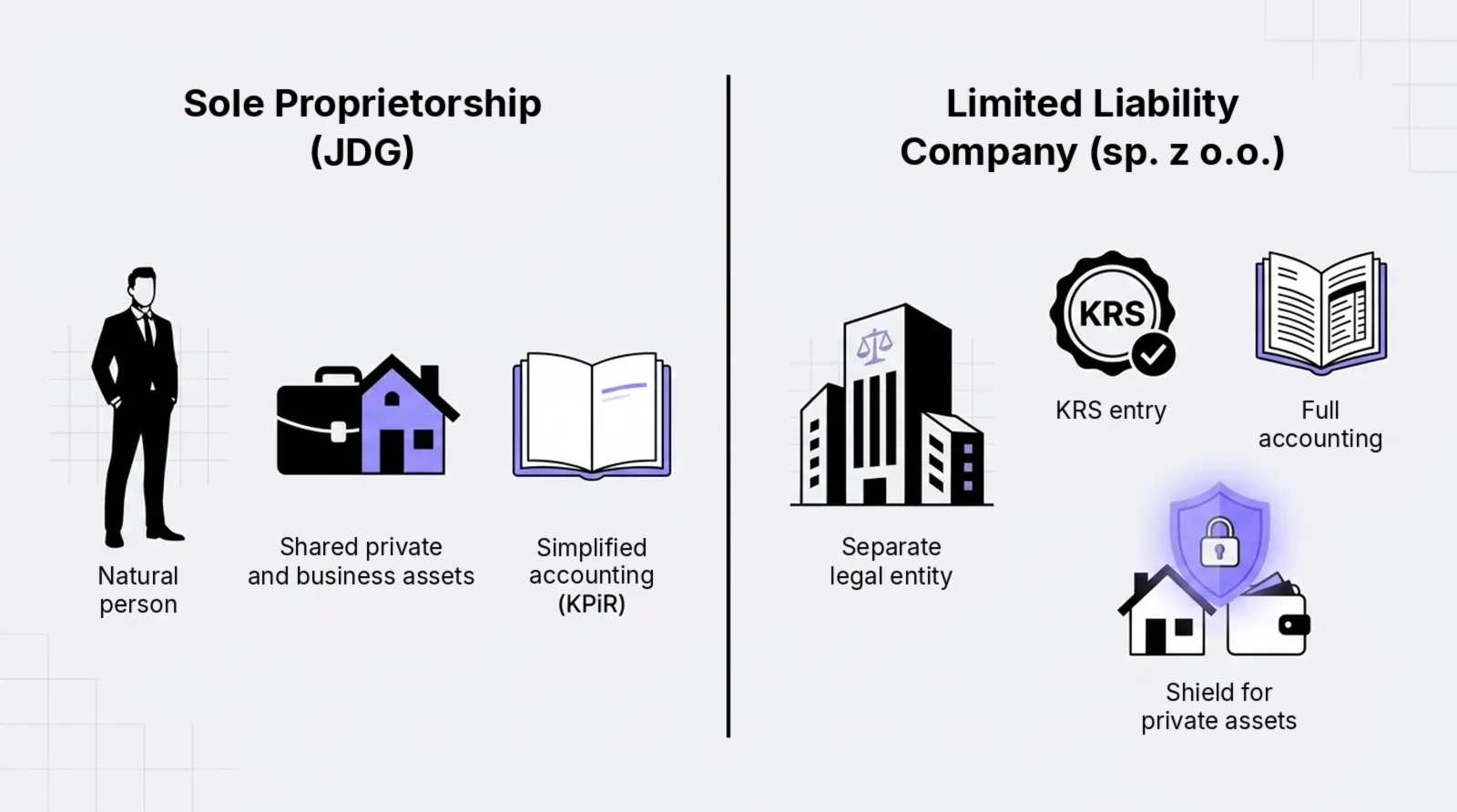
Cost of Starting a Company in Poland: Sole Proprietorship (JDG) vs sp. z o.o.
What does starting a company in Poland cost? Compare JDG and sp. z o.o.: registration fees, accounting, ZUS, taxes and a realistic startup budget.
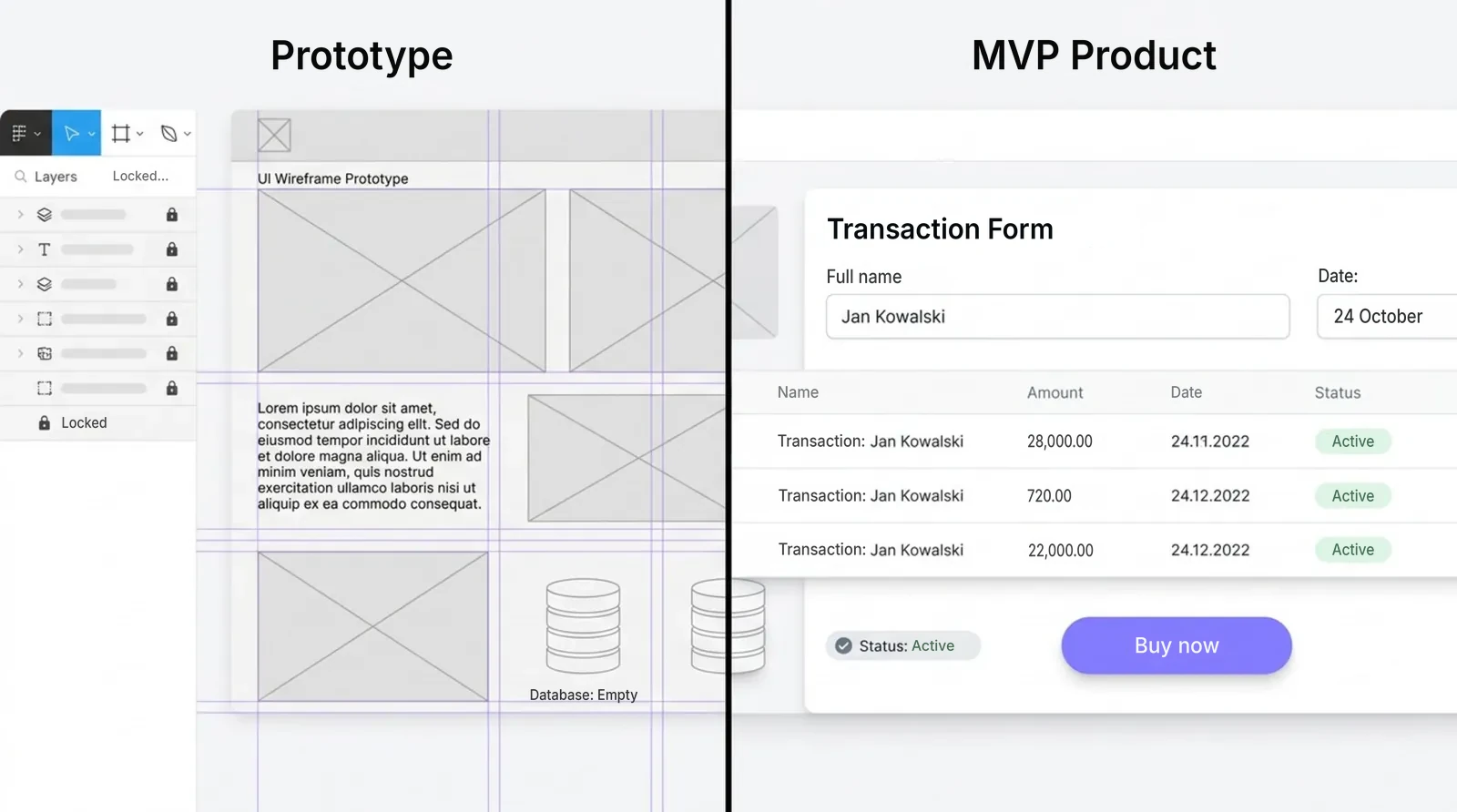
How to Build an MVP Without Losing Your Mind: A Practical Guide
How to build an MVP step by step: definition, process, key metrics, common mistakes, legal basics and examples of companies that started with an MVP.